
Wisdom Teeth Extractions in Tomball

Dr. Geer and has staff have one chief objective: help patients retain healthy and beautiful teeth for a lifetime. Nevertheless, there are times when removing a tooth is required. And while extraction is never the first treatment choice when it comes to helping patients maintain happy, healthy smiles, there are reasons why it might become necessary in order to protect your oral health. For example, wisdom teeth are commonly removed for the sake of protecting your other teeth and preserving your overall oral health. Here at our Tomball dental office, Dr. James Geer can handle your extraction procedure smoothly, even in difficult cases that may require more in-depth surgical care.
Do I Need to Remove My Wisdom Teeth?
Dr. Geer will be able to tell you whether or not wisdom teeth removal in Tomball is advisable for you. Also, your orthodontist may recommend extraction of wisdom teeth in order to prevent these large teeth from interfering with your newly aligned smile.
Other reasons why wisdom teeth may need to be extracted include:
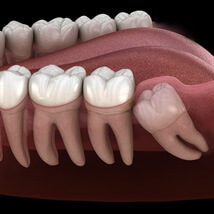
- There is insufficient space in your mouth for wisdom teeth to erupt properly. Our ancient relatives had larger jaws and these teeth were helpful in chewing raw vegetation and tough meat. Modern man, however, has a smaller jaw that usually does not provide room for wisdom teeth.
- Impacted wisdom teeth can lead to infection, gum disease and a greater likelihood of tooth decay.
- Cysts may develop around wisdom teeth, which can cause significant damage to your jawbone and tooth roots.
- Wisdom teeth may be extracted in order to prevent the possibility of future infections and pressure on adjacent teeth.
Of course, extraction is not always necessary. If your wisdom teeth are healthy, have grown in correctly, and are positioned well along your jawbone, then you and Dr. Geer may elect to leave them in place.
Tooth Extraction Process
In most extraction cases, Dr. Geer begins the procedure by administering local anesthesia to ensure your comfort. Then, he performs minor oral surgery to open the tissue and bone around the treatment site. This exposes the wisdom tooth so it can be removed as cleanly as possible from its socket. Most of the time, sutures will be needed to close the area and encourage the healing of tissue. Dr. James Geer can assist patients with more difficult cases of extraction thanks to his advanced training and expertise, and he’ll be sure to handle the procedure with precision and comfort.
Recovering from Wisdom Teeth Removal in Tomball
Once your extraction is complete, your recovery begins. Some bleeding is normal for the first 24 hours following extraction. You can use a gauze pad to slow and eventually stop the bleeding.
Over the counter pain medications such as Ibuprofen or Acetaminophen combined with an ice pack used at 20-minute intervals provide relief from any swelling or discomfort that occurs. It is strongly recommended that you only eat soft foods—yogurt, jello, applesauce, soup, pudding, pureed vegetables—for a few days and avoid spices, tobacco, or alcohol. Additionally refrain from sucking through straws and drinking carbonated beverages. Excessive exercise should also be avoided, as well. Adhering to these and all of the postoperative instructions we provide is the best way to minimize healing time and avoid complications.
Contact our Tomball, TX practice today to schedule an appointment with Dr. Geer to discuss your need for wisdom teeth removal in Tomball, TX.
Understanding the Cost of Wisdom Tooth Extractions
We are dedicated to quality care and are focused on delivering treatment we would want for our own families. Although we strive to be completely transparent when it comes to pricing, we can’t necessarily divulge how much it will cost to have wisdom teeth removed as a general estimate. First, Dr. Geer must take X-rays of your mouth and look at your situation individually. So, don’t wait to schedule your wisdom tooth extraction consultation!
Factors That Can Impact the Cost of Wisdom Tooth Extractions
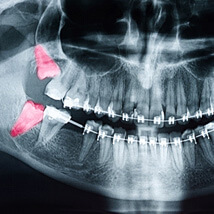
Unlike purchasing off a menu at a restaurant, getting wisdom teeth removed can vary from patient to patient because the scenarios are unique. Factors we consider in the price include the following:
- The number of wisdom teeth being extracted.
- Whether the wisdom teeth are impacted.
- Whether the wisdom teeth have erupted or are still submerged in the bone.
Until we take these matters into account, we won’t be able to give you a clear idea of the cost. In other words, we’ll need to examine your mouth before determining the price of treatment in your particular case.
Does Dental Insurance Cover Wisdom Tooth Extractions?

Although the exact coverage percentage may vary from plan to plan, most dental insurance policies do have benefits for wisdom tooth extractions. Usually, this amount is around 50 percent of the total cost, which means you will be responsible for the other half out of pocket.
Well before treatment, we can look over your policy, find out what benefits you are entitled to, and let you know how much you still have to pay.
How to Make Wisdom Tooth Extractions Affordable

Those who need wisdom tooth extraction but don’t receive this treatment are more likely to encounter costly problems in the future. Pressure on your teeth can be uncomfortable and require expensive treatment. In many cases, paying to have wisdom teeth removed is the most affordable path to a healthy smile in the long term.
Regardless of the amount due for your extractions or whether you have insurance, our team is happy to work with you and will do what we can to make your experience as seamless as possible. Payment is due at the time of service, but feel free to ask us about your financial options.